Have you ever sat in a salon chair, aimlessly scrolling through Pinterest, wondering, "What is the haircut that suits me?" It is a remarkably common struggle. A haircut is much more than just a routine trim; it is a wearable expression of your personality and a powerful confidence booster. If you are constantly searching for how to find a haircut that suits me, you have arrived at the perfect place.
Getting a transformative chop requires looking beyond trendy TikTok videos. It requires understanding your unique facial architecture, your hair's natural behavior, and your daily styling routine. This comprehensive haircut guide will walk you through exactly how to decode your features and collaborate with your stylist for the ultimate glow-up.
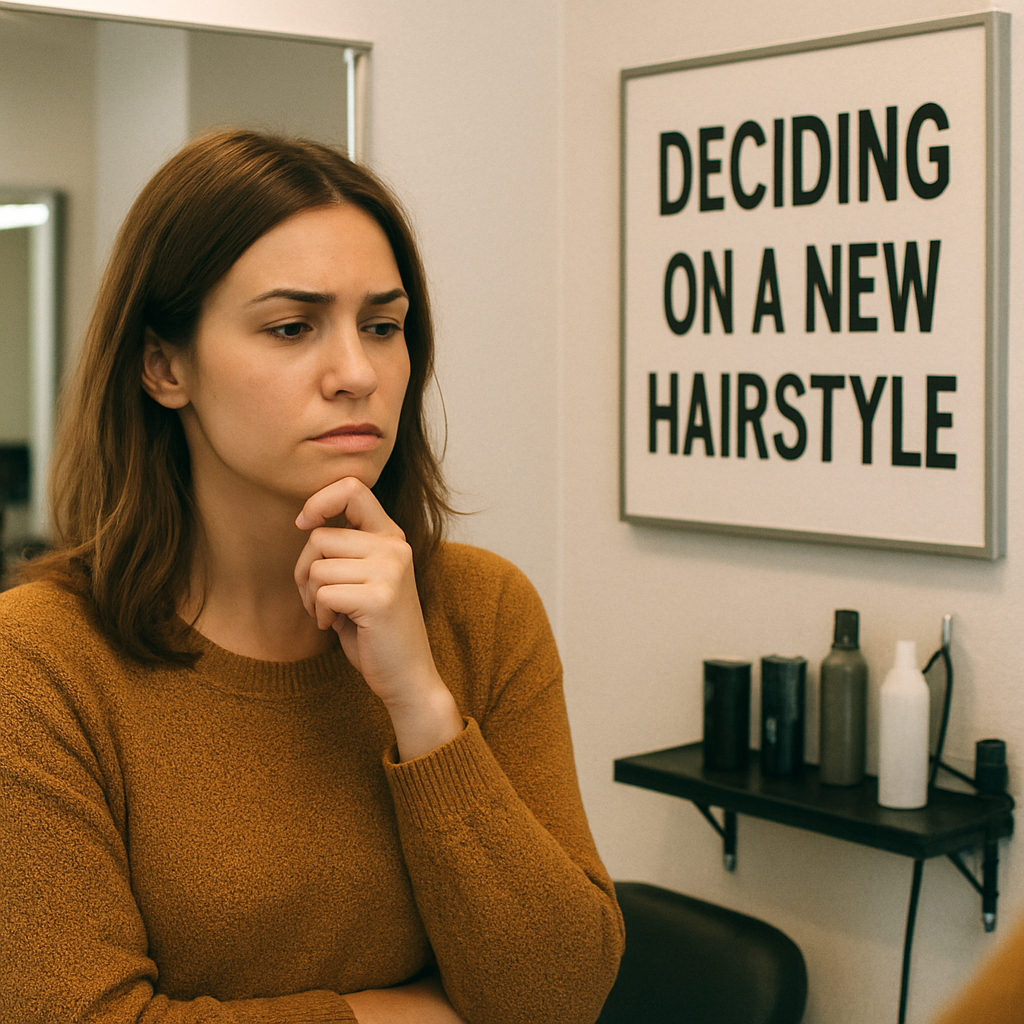
The absolute most critical step before picking up the shears is performing a face shape analysis for flattering hairstyles. Knowing your underlying bone structure dictates the angles, volume, and lengths that will look most harmonious on you.
But how do you figure this out? Learning how to determine your facial proportions is easier than you might think. Simply pull your hair completely back, stand in front of a mirror, and trace the outline of your face using a lip liner or a dry-erase marker. Pay attention to which part is the widest (forehead, cheekbones, or jaw) and the overall length of your face.
Once you know your shape, you can manipulate hair length to create perfect balance:
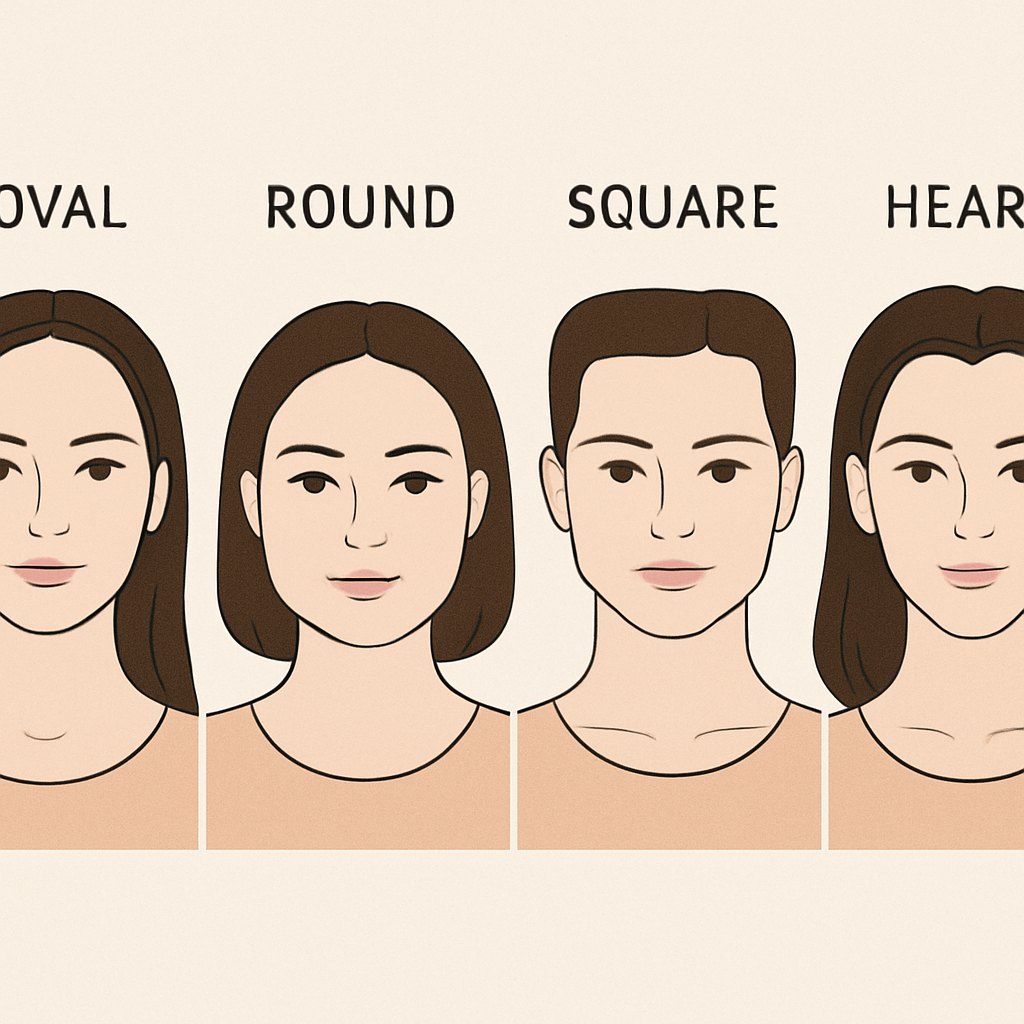
Round Faces: The eternal debate of short vs long hair for round faces usually leans toward longer lengths. Long, sweeping layers draw the eye downward, elongating the face. If you prefer short hair, opt for an asymmetrical lob rather than a blunt chin-length bob, which can add unwanted width.
Square Faces: If you have angular features, you might want hairstyles that accentuate a strong jawline without making it look overly harsh. A textured shoulder-length cut or a soft, wavy lob softens sharp corners while still celebrating your striking bone structure.
Oval Faces: Oval faces are highly versatile. If you find yourself asking, "Will a pixie cut suit my features?" the answer for an oval face is a resounding yes! Oval proportions can carry almost any extreme, from ultra-short crops to Rapunzel-like lengths.
Hair length is only half the battle. The details framing your face act like the matting around a beautiful painting.
Bangs can completely alter your appearance. When weighing curtain bangs vs blunt bangs for face framing, consider your primary goal. Curtain bangs are universally flattering, gently sweeping outward to highlight the cheekbones and soften the overall look. On the other hand, thick, straight-across blunt bangs make a bold, artistic statement and are excellent hairstyles to minimize a large forehead.
Believe it or not, where you part your hair dramatically changes your facial balance. The choice between a side part vs middle part for facial symmetry depends on your natural features. A stark middle part highlights perfect symmetry and elongates a round face. However, faces naturally have slight asymmetries. A deep side part creates diagonal volume that effortlessly softens and distracts from uneven features, making it a highly flattering choice for most people.
You could pick the perfect cut for your face shape, but if it fights your natural hair type, you will be miserable styling it. There is a massive impact of hair texture on style selection that cannot be ignored.
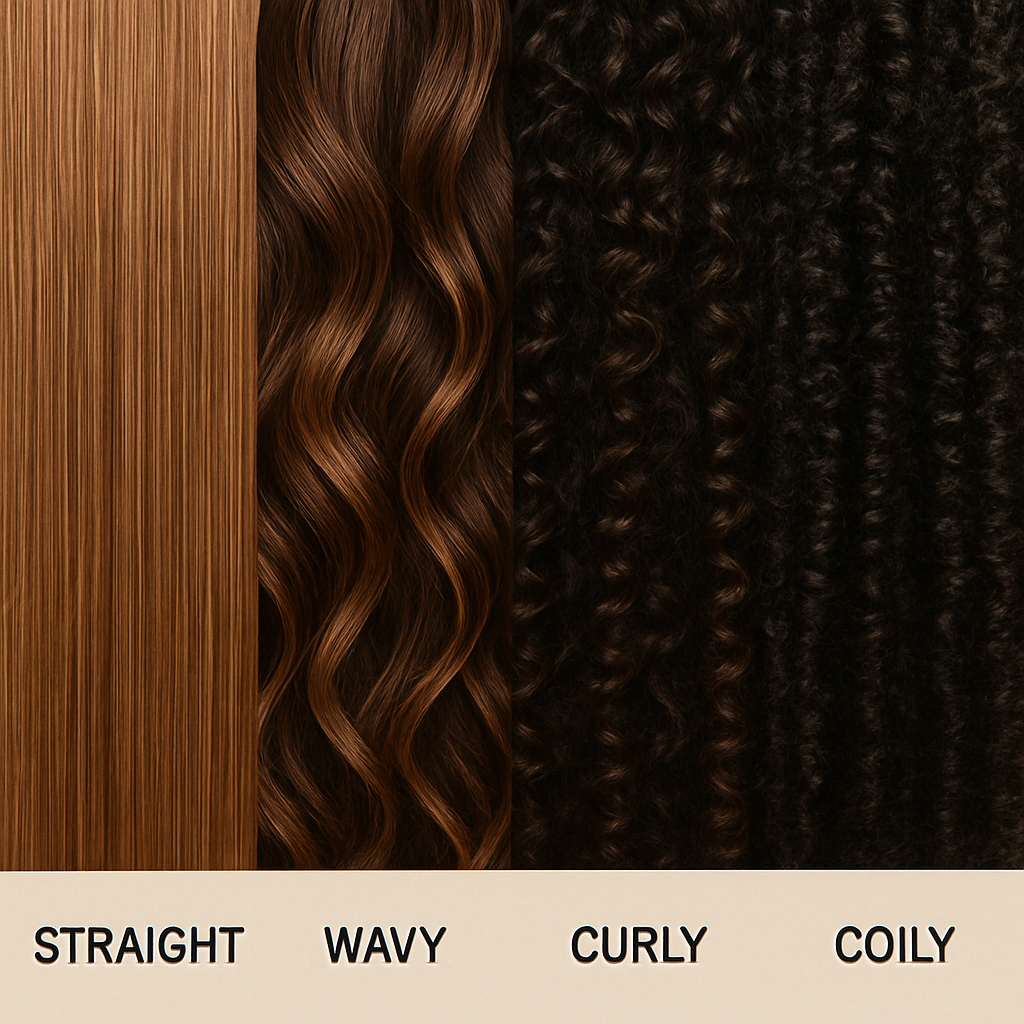
Before settling on a reference photo, spend time identifying hair density and growth patterns. Density refers to how many individual strands of hair you have on your scalp, while texture refers to the thickness of each individual strand. Furthermore, growth patterns—like stubborn cowlicks or a strong natural parting—will dictate how your hair naturally falls.
Thick Hair: If you have abundant, thick strands, you want to avoid looking like a triangle. Look for low maintenance cuts for thick hair, such as long shags with internal, "invisible" layers. These techniques remove bulk from the bottom without sacrificing length.
Fine Hair: When choosing between layers or one length for fine hair, a blunt, one-length cut is often the winner. Keeping the ends uniform creates a powerful illusion of density and thickness, whereas too many layers can make fine hair look stringy.
Curly Hair: Curls experience "shrinkage" when cut. Always ensure your stylist cuts your hair dry or accounts for the bounce-back to avoid going accidentally too short.
Generic beauty filters flatten your features; HairPick does the opposite. Its AI reads facial geometry and hair behavior, then generates ten wearable cuts with explanations and barber instructions—so you snip with confidence, not crossed fingers.
If you are terrified of making a drastic change, leverage modern technology. Downloading a virtual hair style simulator for beginners is a fun, risk-free way to test the waters. By uploading a well-lit selfie, you can map different lengths, colors, and fringe styles onto your face. While these apps aren't perfectly realistic, they provide a fantastic baseline to see if you prefer yourself in a sleek bob or flowing bohemian waves before the scissors even come out.
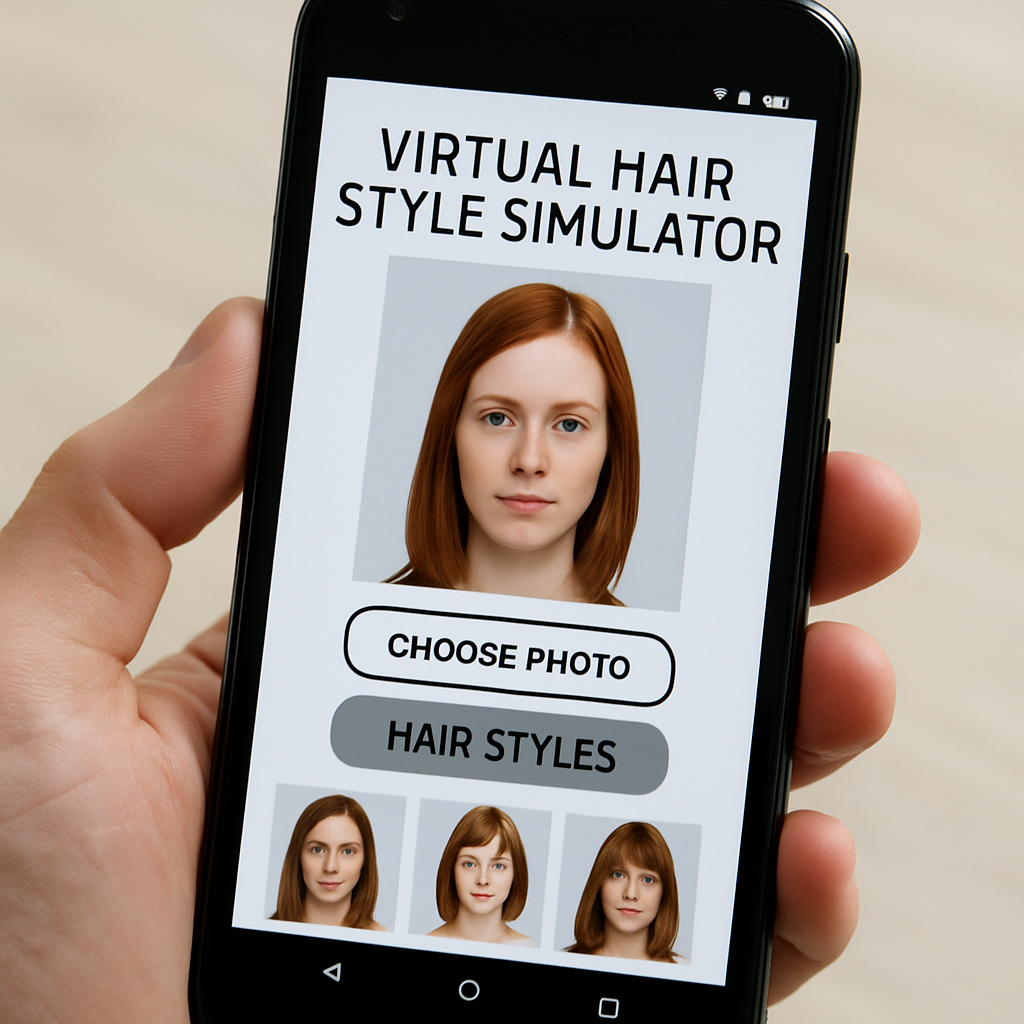
Your salon visit should not feel like a lottery. Before you book, use HairPick to preview cuts calculated for your features—not overlaid wigs, but full generations that respect your skull shape and strand texture. In one flow you get ten photorealistic ideas and barber-friendly steps, turning "I like this Pinterest bob" into "here is how we achieve it on me."
Armed with this knowledge, you are ready to book your appointment. However, getting that dream look requires excellent communication. Here are some highly effective professional tips for salon consultations:
Bring Realistic Photos: Show your stylist pictures of people who share your specific hair texture and face shape. Bringing a photo of perfectly styled, thick wavy hair when you have pin-straight, fine hair will only lead to disappointment.
Be Honest About Your Routine: Tell your stylist exactly how much time you spend on your hair every morning. If you air-dry your hair and leave the house in five minutes, your stylist needs to know so they don't give you a high-maintenance cut that requires daily blowouts.
Discuss Maintenance: Ask how often the cut requires a trim to maintain its shape. Pixie cuts require salon visits every 4-6 weeks, while long layers can easily stretch for months.
Stand Up: Ask your stylist to look at you while you are standing. This allows them to see your overall body proportions, ensuring the hair length balances your entire silhouette, not just your head and shoulders.
Ultimately, the answer to the question "what is the haircut that suits me?" isn't found in a single trend or viral video. It lies in the beautiful intersection of your unique facial structure, your hair's natural tendencies, and the reality of your daily life. By analyzing your face shape, embracing your natural texture, and communicating effectively with your stylist, you are guaranteed to walk out of the salon with a customized, effortless look that makes you feel like the absolute best version of yourself.